Skip to content
Chemistry Steps

Chemistry Steps

Chemistry Steps
  • Topics
    • Organic Chemistry
  • Practice Problems
  • Study Guides
  • Quizzes
    • Solutions
  • CS Benefits
  • Log In
    • Register
Chemistry Steps
  • Topics
    • Organic Chemistry
  • Practice Problems
  • Study Guides
  • Quizzes
    • Solutions
  • CS Benefits
  • Log In
    • Register

General Chemistry

Hybridization of Atomic Orbitals
by Dr. S. Gevorg
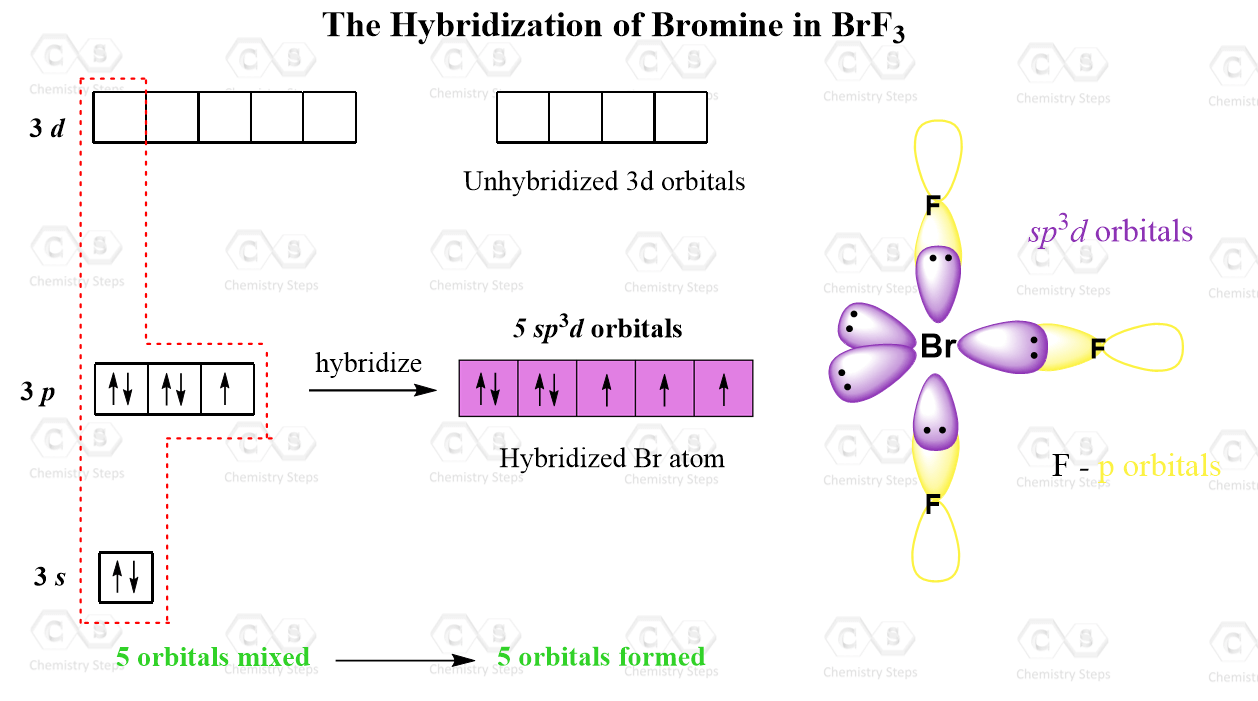
BrF3 hybridization

Introduction to the Hybridization Let’s start first by answering this question: Why do we need the hybridization theory? Here is one answer to this. It is confirmed experimentally that the carbon atom in methane (CH4) and other alkanes has a … Read more
Categories Molecular Geometry Leave a comment

Mass, Moles, and Number of Particles Practice

by Dr. S. Gevorg

In this set of practice problems, we will work on molar calculations such as converting between Mass, Moles, and Number of Ions and Atoms. For all the problems, calculating the molar mass is not shown as it should be a … Read more

Categories Atoms, Molecules, and Ions, Stoichiometry Leave a comment

Calculate the Cell Potential for Each Redox Reaction

by Dr. S. Gevorg
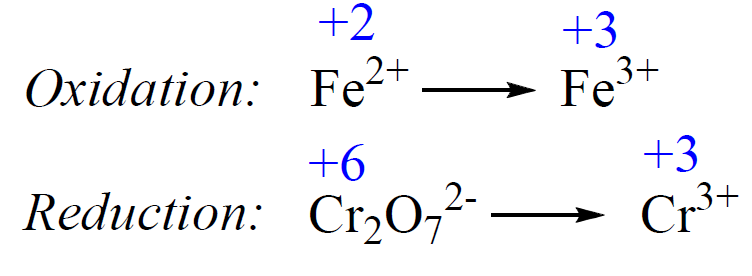
Calculate the cell potential of the redox reactios

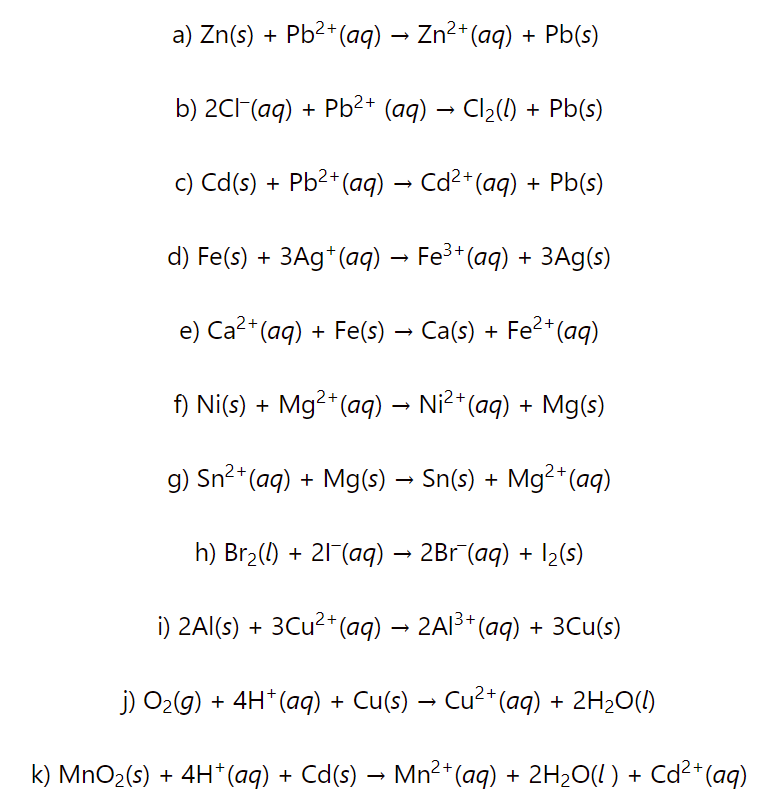
Calculate the cell potential for each redox reaction and determine if it is spontanesous or not: a) Zn(s) + Pb2+(aq) → Zn2+(aq) + Pb(s)  b) 2Cl–(aq) + Pb2+ (aq) → Cl2(l) + Pb(s) c) Cd(s) + Pb2+(aq) → Cd2+(aq) + Pb(s) … Read more

Categories Electrochemistry Leave a comment

Calculate the cell potential, ΔG°, and equilibrium constant K for each reaction

by Dr. S. Gevorg
Calculate the cell potential, gibbs free energy and equilibrium constant practice

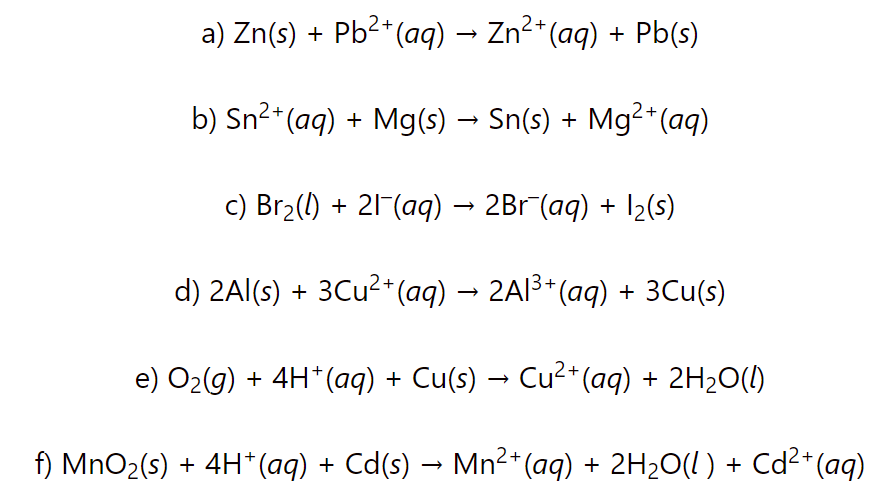
Calculate the cell potential, Gibbs free energy change ΔG°, and equilibrium constant, K for each redox reaction: a) Zn(s) + Pb2+(aq) → Zn2+(aq) + Pb(s) b) Sn2+(aq) + Mg(s) → Sn(s) + Mg2+(aq) c) Br2(l) + 2I–(aq) → 2Br–(aq) + … Read more

Categories Electrochemistry Leave a comment

Electrochemistry Practice Problems

by Dr. S. Gevorg

Electrochemistry practice problems include questions on balancing redox reactions in acidic and basic solutions, calculating the cell potential, Eo/E at standard conditions using the table of standard reduction potentials, calculating the free energy change, ΔG based on the cell potential, … Read more

Categories Electrochemistry 2 Comments

Lewis Structures Practice Problems

by Dr. S. Gevorg
geometry of ions VSEPR practice

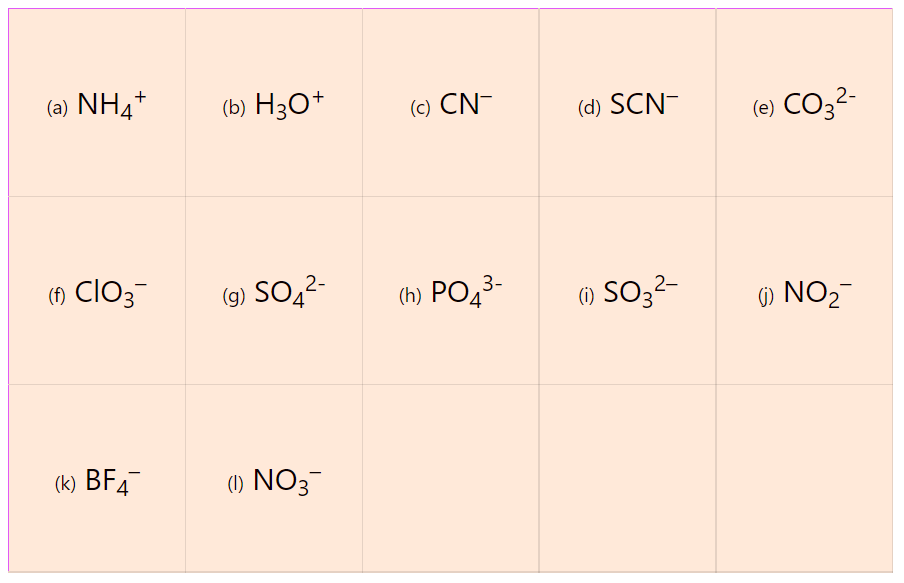
In these practice problems, we will work on determining the Lewis structures of molecules and ions. In short, remember these steps for determining the Lewis structure: 1. Write the correct skeletal structure for the molecule.         *   Hydrogen … Read more

Categories Concepts of Chemical Bonding Leave a comment

VSEPR Theory Practice Problems

by Dr. S. Gevorg
VSEPR geometry practice problems

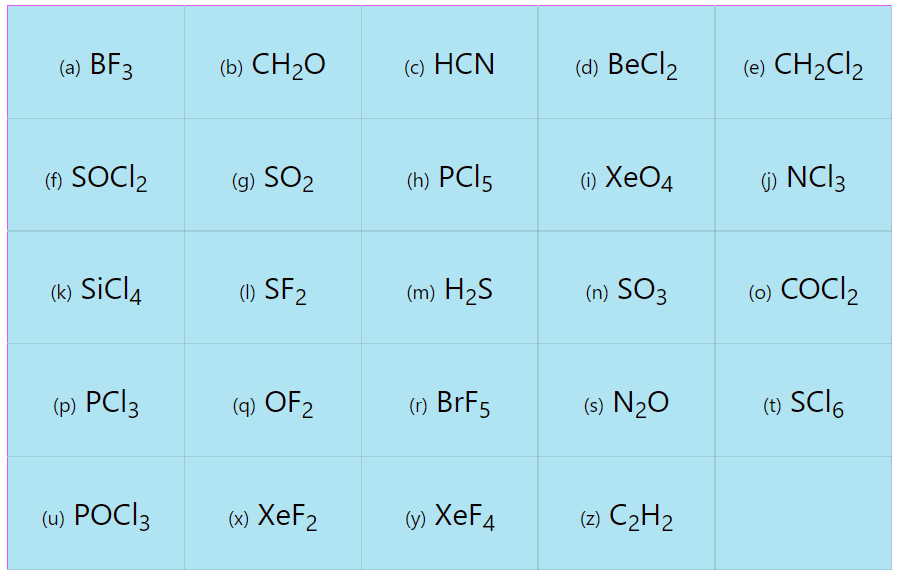
In these practice problems, we will work on determining the electron and molecular geometry of molecules and ions using the VSEPR theory.

Categories Molecular Geometry Leave a comment

Colligative Properties – Practice Problems

by Dr. S. Gevorg
Colligative properties Practice Problems examples

Practice problems on the colligative properties of solutions covering the freezing point depression, boiling point elevation, vapor pressure, and osmotic pressure of solutions prepared with nonelectrolytes as well as ionic compounds. The links s for the corresponding topics are given … Read more

Categories Properties of Solutions Leave a comment

Titration of a Polyprotic Acids

by Dr. S. Gevorg
The titration curve for Polyprotic Acids

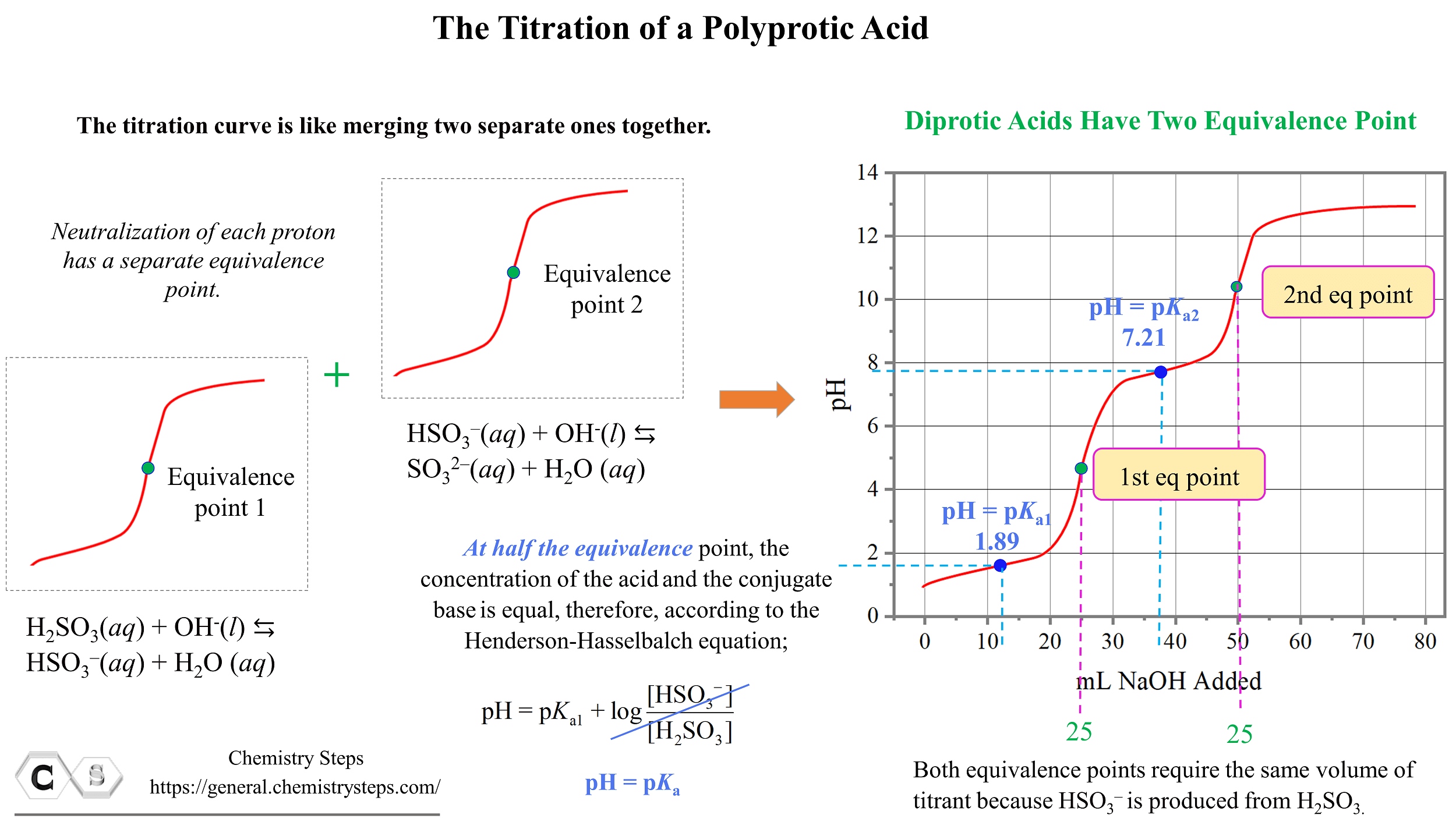
In the previous few posts, we have been discussing acid-base titrations involving pH calculations and analyzing the titrations curves. A typical acid-base titration curve can be obtained, for example, based on the reaction of HCl and NaOH:     Check … Read more

Categories Acid–Base and Solubility Equilibria Leave a comment

Titration of a Weak Base by a Strong Acid

by Dr. S. Gevorg

In the previous post, we discussed the titration of a weak acid, CH3CO2H with a strong base, NaOH. The main difference compared to the strong acid-base titrations was that the conjugate base of the weak acid, forming during the reaction … Read more

Categories Acid–Base and Solubility Equilibria Leave a comment
Older posts
Newer posts
← Previous Page1 … Page9 Page10 Page11 … Page21 Next →

General Chemistry Study Guides

Preparing for orgo organic chemistry after General Chemistry

Chemistry Steps LLC

General Chemistry Articles, Study Guides, and Practice Problems.


5900 Balcones Drive, Austin, TX 78731

info@chemistrysteps.com

  • YouTube
  • Facebook
  • Pinterest
  • Instagram

About

Terms

Privacy Policy

Contact

Feedback

Copyright © 2016 - 2026 Chemistry Steps
Next Page »