Skip to content
Chemistry Steps

Chemistry Steps

Chemistry Steps
  • Topics
    • Organic Chemistry
  • Practice Problems
  • Study Guides
  • Quizzes
    • Solutions
  • CS Benefits
  • Log In
    • Register
Chemistry Steps
  • Topics
    • Organic Chemistry
  • Practice Problems
  • Study Guides
  • Quizzes
    • Solutions
  • CS Benefits
  • Log In
    • Register

General Chemistry

Titration of a Weak Acid by a Strong Base

by Dr. S. Gevorg

In the previous post, we discussed the titration of 25.0 mL of 0.100 M strong acid HCl with 0.100 M NaOH. Today, we will focus on the titration of a weak acid with strong bases, so we can still use … Read more
Categories Acid–Base and Solubility Equilibria Leave a comment

Strong Acid–Strong Base Titrations

by Dr. S. Gevorg
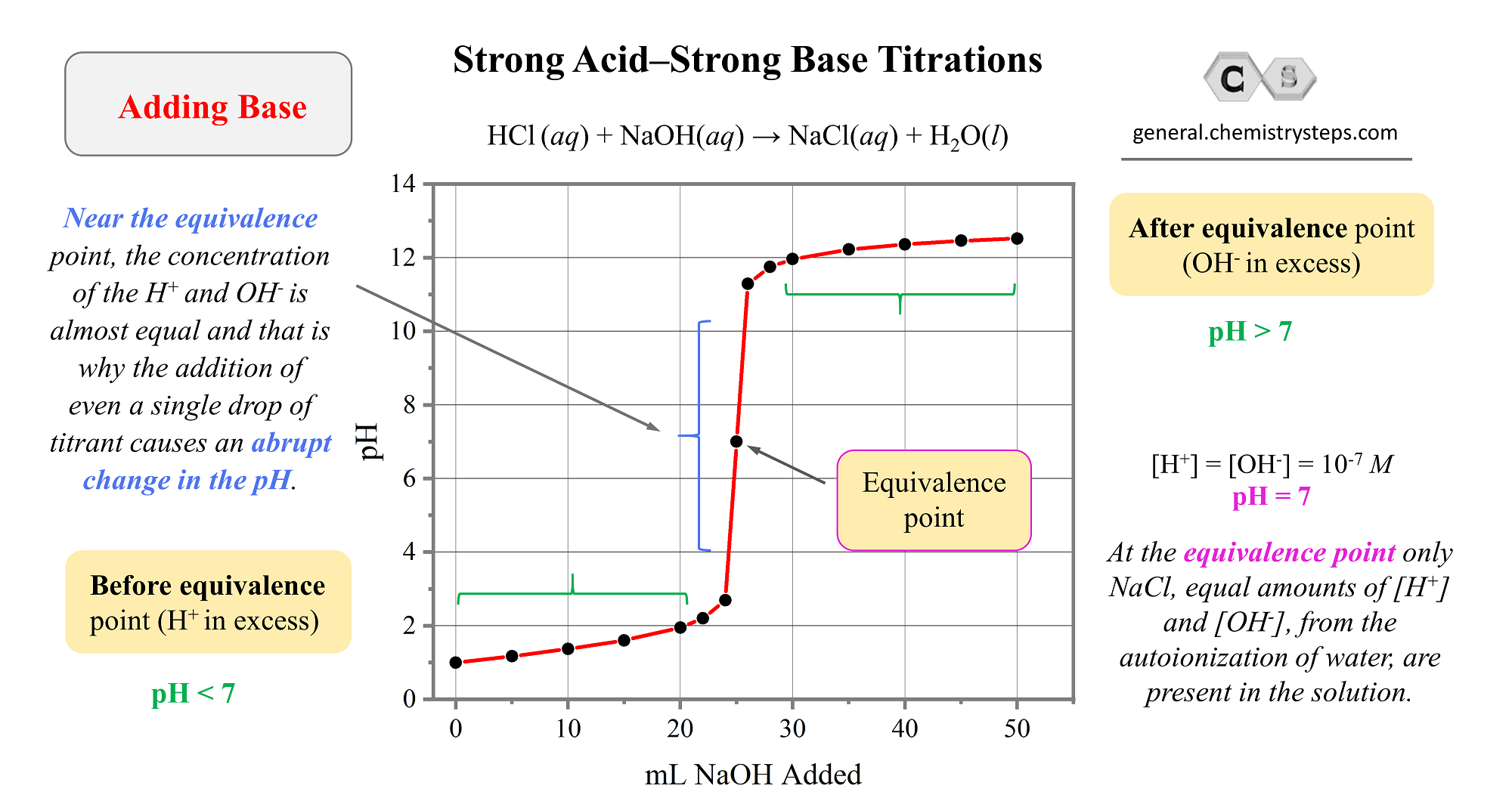
Strong acid-base titration graph pH titrant Adding Base

Earlier in the semester, or perhaps in your Chem II class, you learned about acid-base titrations which were used to determine the concentration of an acid or a base. For this, we are using a standard solution (titrant) which is … Read more

Categories Acid–Base and Solubility Equilibria, Acids and Bases Leave a comment

pH Practice Problems

by Dr. S. Gevorg

In this set of practice problems, we will work on examples correlating the acidity and basicity of a solution with pH, calculating the pH of strong and weak acids and bases, the pH and pOH relationship, and calculating the pH … Read more

Categories Acids and Bases Leave a comment

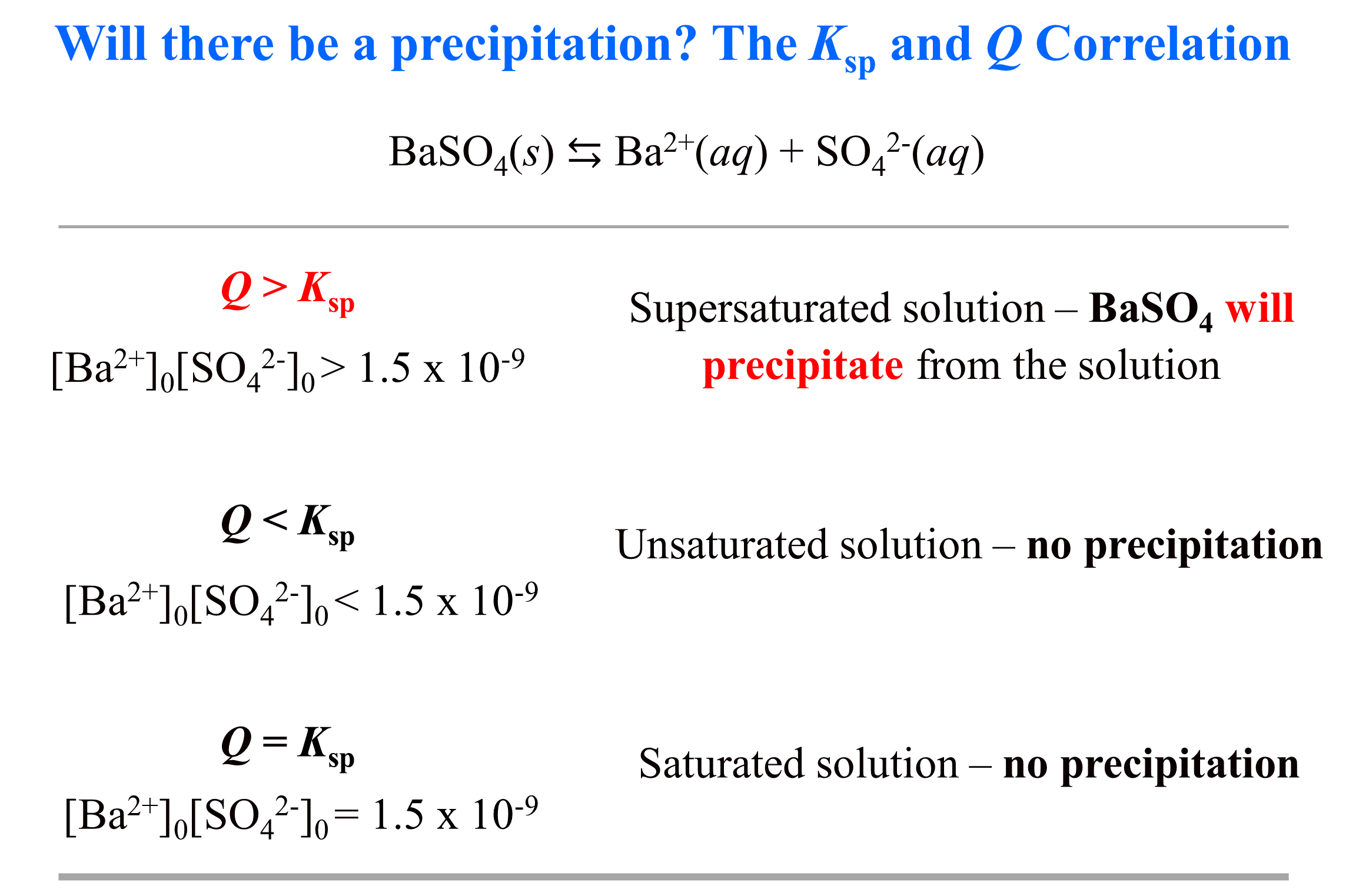
Will a Precipitate Form at the Given Concentrations? Ksp and Q

by Dr. S. Gevorg
Will there be a precipitation at a given concentration Ksp and Q

When discussing the molar solubility and solubility product constant (Ksp), we mentioned that the values pertain to saturated solutions of the given compound.    For example, the molar solubility of BaOS4 is 3.87 x 10⁻⁵ mol/L. Therefore, it starts precipitating only … Read more

Categories Acid–Base and Solubility Equilibria 1 Comment

Ksp and Molar Solubility Practice Problems

by Dr. S. Gevorg

In this set of practice problems, we will work on calculating the solubility product constant (Ksp) from the molar solubility of the compound, and vice versa, the Ksp of compounds in pure water, in the presence of salts with common … Read more

Categories Acid–Base and Solubility Equilibria Leave a comment

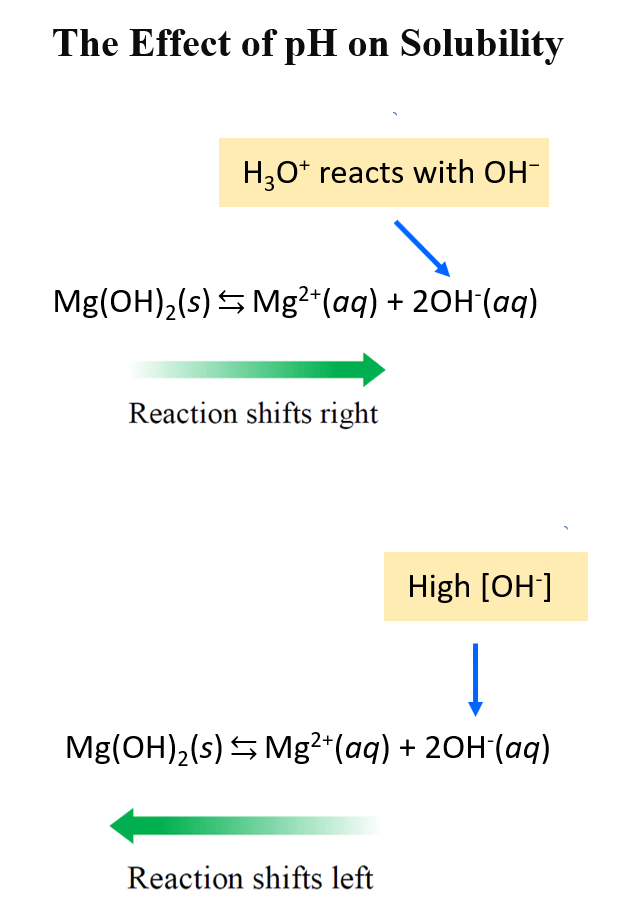
The Effect of pH on Solubility

by Dr. S. Gevorg
pH Effect on Solubility

The solubility of almost any ionic compound is affected by the pH of a solution. The effect is more pronounced when one or both of the ions in the compound are slightly basic or acidic. For example, magnesium hydroxide, an … Read more

Categories Acid–Base and Solubility Equilibria Leave a comment

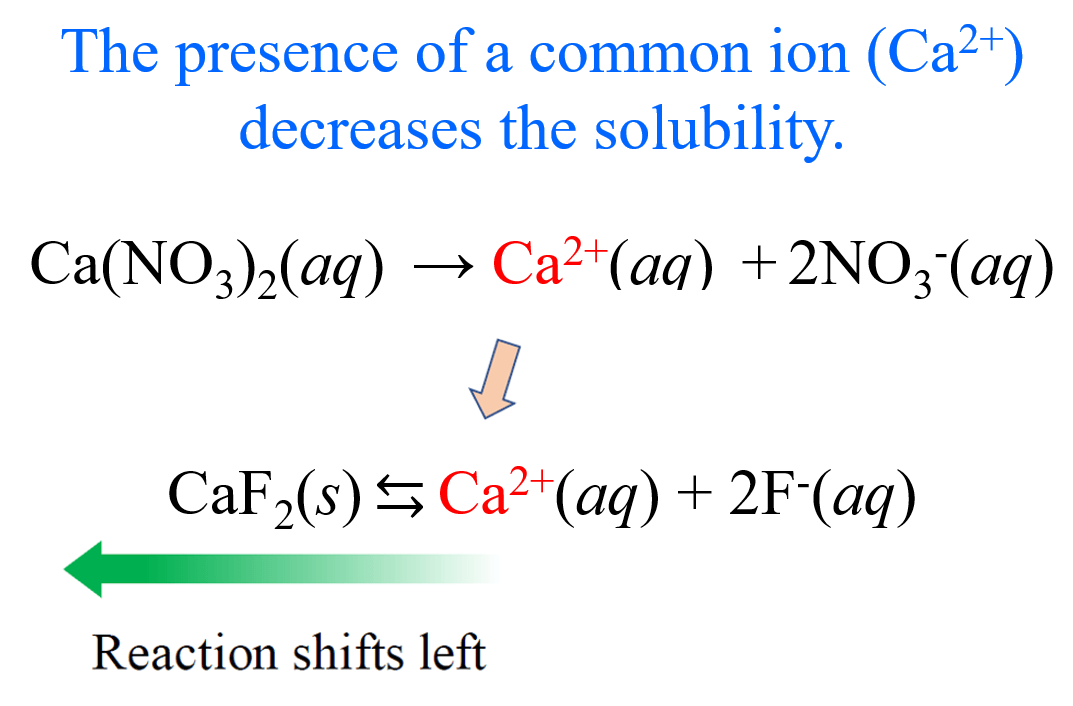
The Effect of a Common Ion on Solubility

by Dr. S. Gevorg
Common Ion Effect on Solubility

In the previous post, we talked about the solubility and solubility product constant (Ksp) of ionic compounds with low solubility. For example, the dissolution equation and the Ksp for CaF2 are:   CaF2(s) ⇆ Ca2+(aq) + 2F–(aq) Ksp = [Ca2+][ … Read more

Categories Acid–Base and Solubility Equilibria Leave a comment

Ksp and Molar Solubility

by Dr. S. Gevorg

Ksp – The Solubility Product Constant Remember, earlier when discussing precipitation reactions, we used tables with rules for solubility to classify compounds as water-soluble or insoluble. For example, BaCl2, according to the rules, is soluble, while BaSO4 is insoluble in … Read more

Categories Acid–Base and Solubility Equilibria Leave a comment

Ka, pKa, Kb, and pKb Relationship

by Dr. S. Gevorg

In the previous two posts, we talked about the acid-base strength and their quantitative description using Ka, pKa, Kb ,and pKb. Now, sometimes, we need to do calculations which can be made easier if we find a way to link … Read more

Categories Acids and Bases Leave a comment

Base Strength, Kb and pKb

by Dr. S. Gevorg
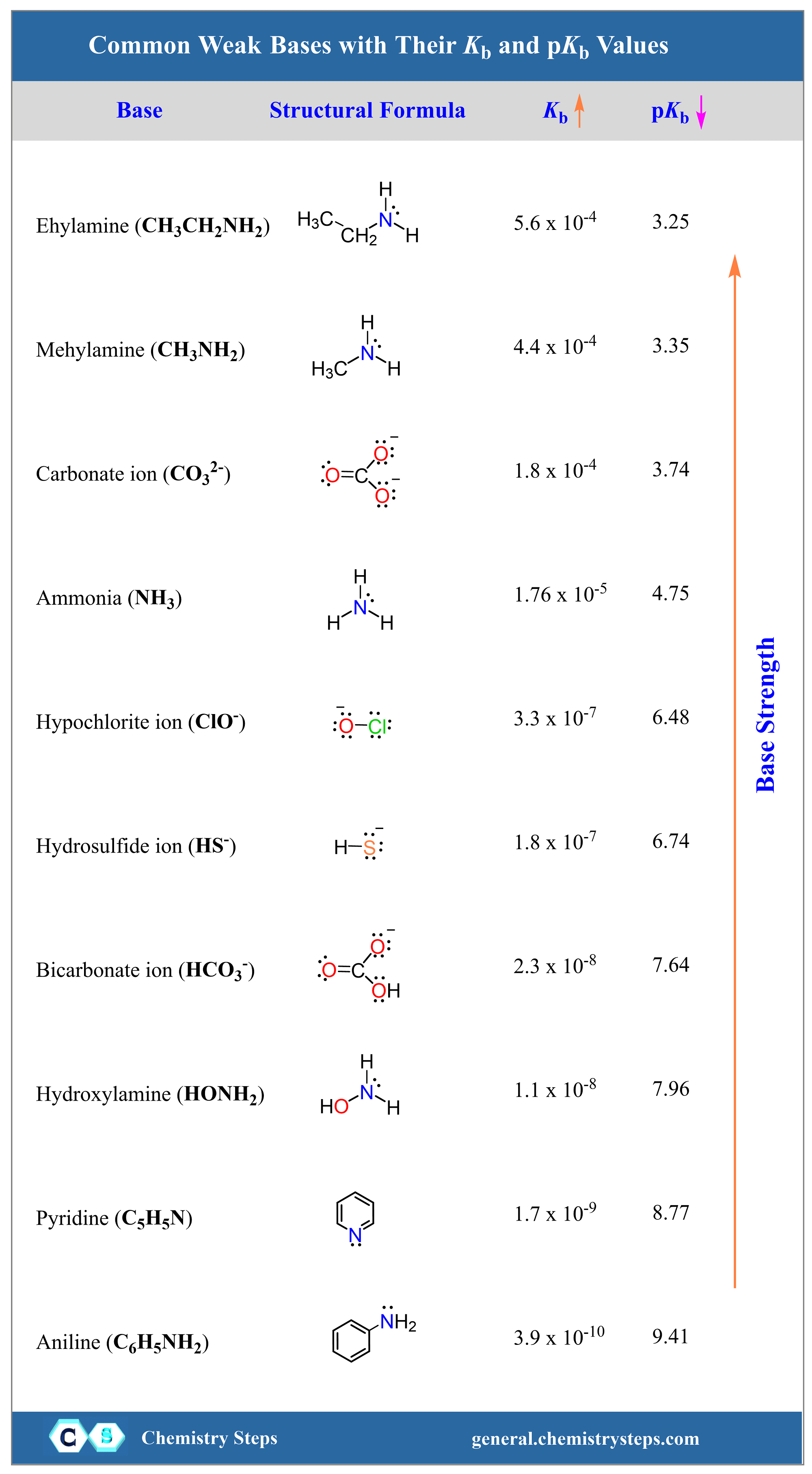
Base Strength Kb and pKb

Strong Bases The most widely used strong bases in general chemistry are the hydroxides of alkali (group 1A) metals such as KOH (caustic or just potash), NaOH (caustic soda), and LiOH. Just like the strong acids, we recognize them by … Read more

Categories Acids and Bases Leave a comment
Older posts
Newer posts
← Previous Page1 … Page10 Page11 Page12 … Page21 Next →

General Chemistry Study Guides

Preparing for orgo organic chemistry after General Chemistry

Chemistry Steps LLC

General Chemistry Articles, Study Guides, and Practice Problems.


5900 Balcones Drive, Austin, TX 78731

info@chemistrysteps.com

  • YouTube
  • Facebook
  • Pinterest
  • Instagram

About

Terms

Privacy Policy

Contact

Feedback

Copyright © 2016 - 2026 Chemistry Steps
Next Page »