Skip to content
Chemistry Steps

Chemistry Steps

Chemistry Steps
  • Topics
    • Organic Chemistry
  • Practice Problems
  • Study Guides
  • Quizzes
    • Solutions
  • CS Benefits
  • Log In
    • Register
Chemistry Steps
  • Topics
    • Organic Chemistry
  • Practice Problems
  • Study Guides
  • Quizzes
    • Solutions
  • CS Benefits
  • Log In
    • Register

General Chemistry

Rate Law and Reaction Order

by Dr. S. Gevorg

In the previous post, we talked about the reaction rate and saw that it is not constant and changes with the concentration of reactants. This is not true for all reactions and it’s possible that the rate may be independent … Read more
Categories Chemical Kinetics Leave a comment

Reaction Rate

by Dr. S. Gevorg
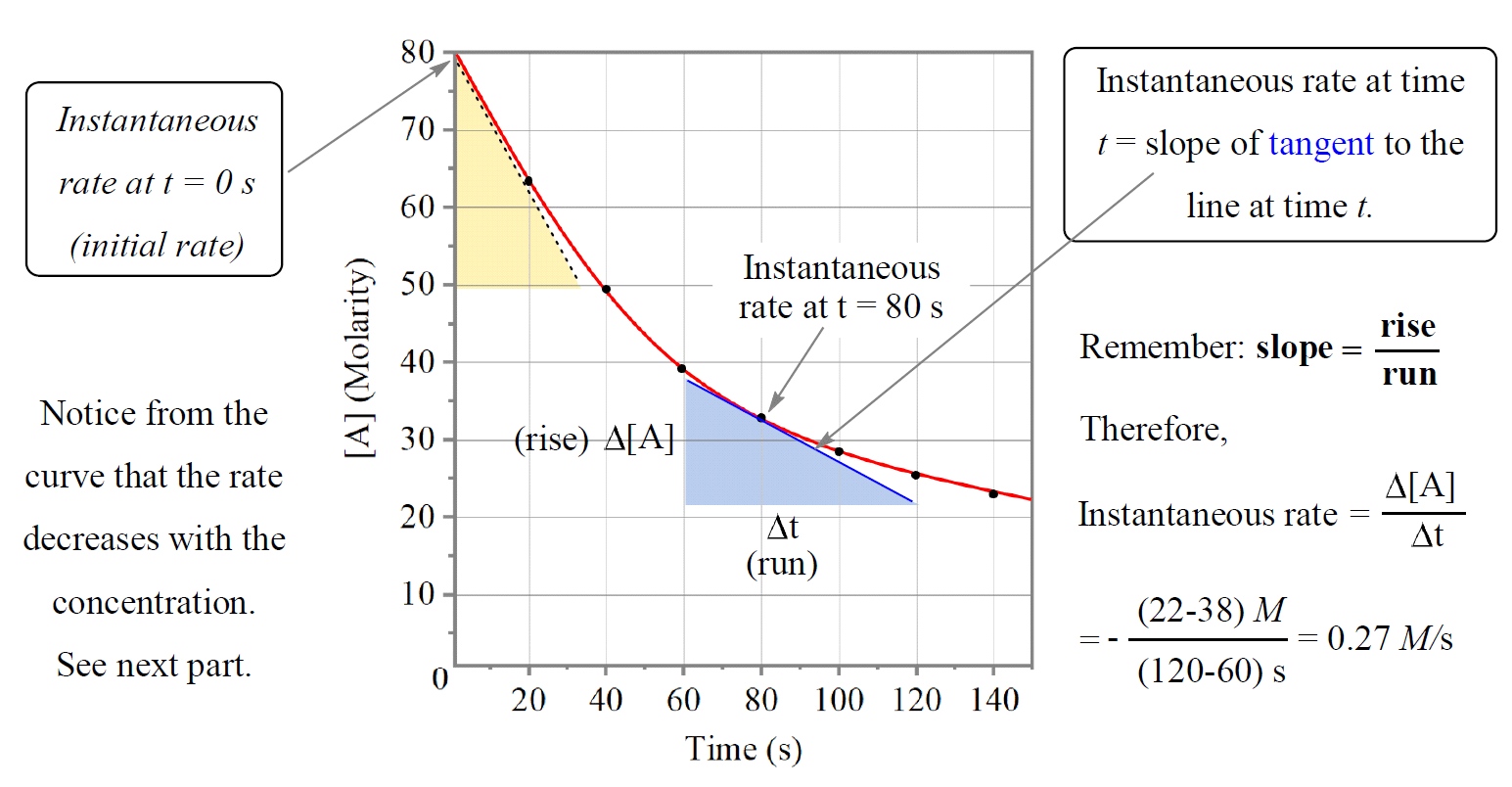
instantaneous rate of reaction tangent slope

Average Rate of a Reaction Chemical kinetics studies the rates of chemical reactions which is a measure of how fast they occur. Similarly, the rate of a chemical reaction is measured as a change in the amounts of reactants or … Read more

Categories Chemical Kinetics Leave a comment

Naming Acids and Bases

by Dr. S. Gevorg
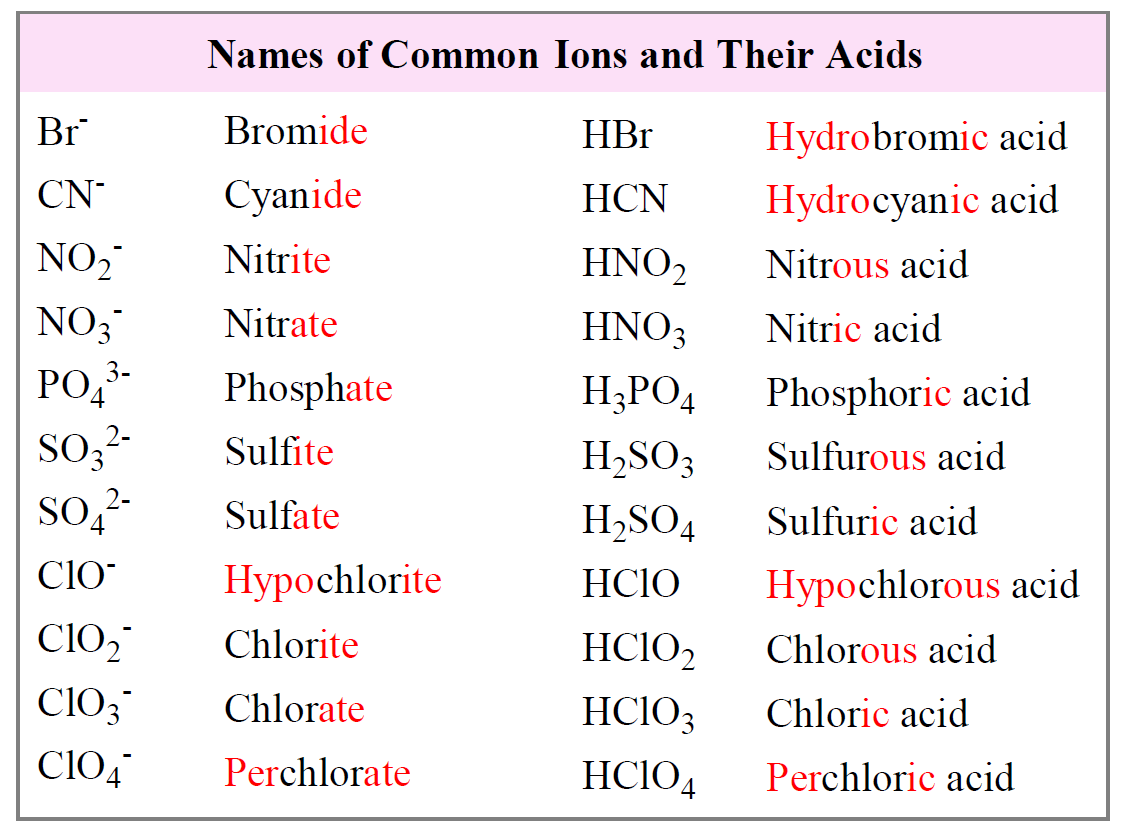
Names of Common Ions and Their Acids

There are a few definitions of acids and bases which we covered in an earlier post. Although it is not always accurate, you can recognize acids when you see an H with any of the anions you learned so far. … Read more

Categories Atoms, Molecules, and Ions, Reactions in Aqueous Solutions 1 Comment

What is Enthalpy

by Dr. S. Gevorg
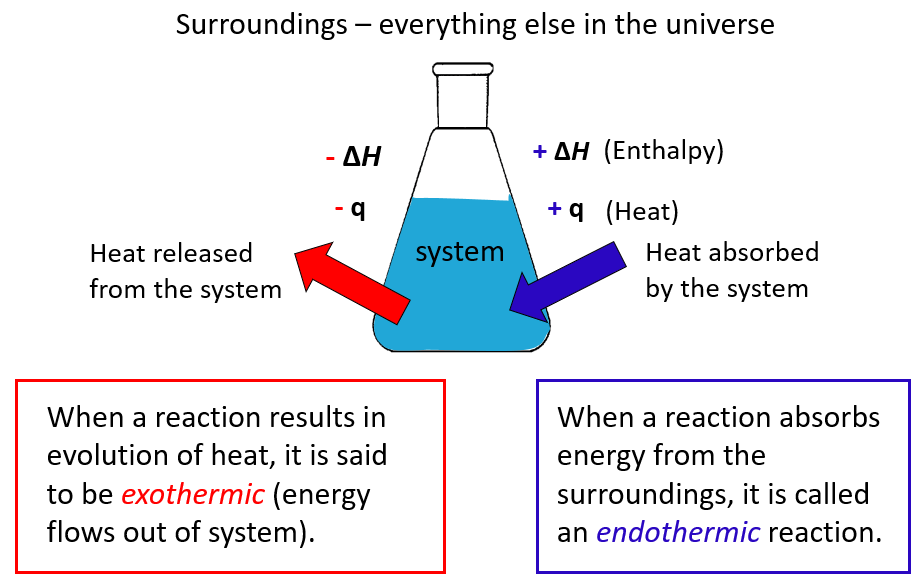
exothermic and endothermic reactions heat enthalpy signs

What is enthalpy in simple words? Answering this question is the objective of today’s post. Remember, in the previous post, we talked about internal energy and how it can change by either heat or work.     Rearranging this equation … Read more

Categories Thermochemistry Leave a comment

Graham’s Law of Effusion Practice Problems

by Dr. S. Gevorg
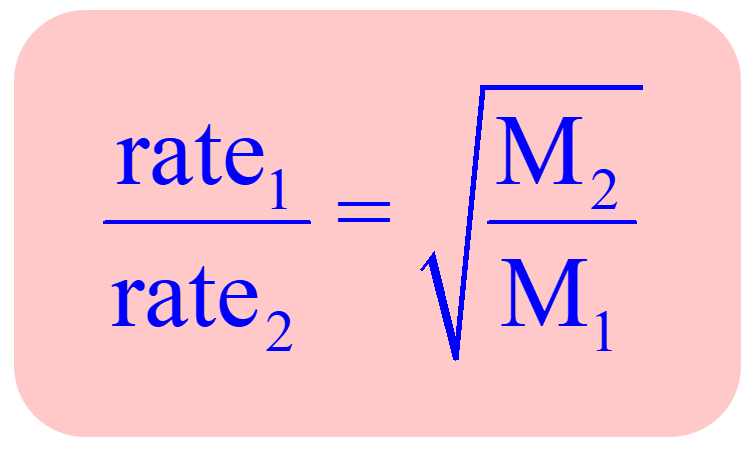
Grahams Law equation formula

In the previous post, we talked about the Graham’s law which shows that the rate of effusion of a gas is inversely proportional to the square root of its molar mass:   \[{u_{{\rm{rms}}}}\;{\rm{ = }}\;\sqrt {\frac{{{\rm{3RT}}}}{{\rm{M}}}} \]   One application … Read more

Categories Gases Leave a comment

Endothermic and Exothermic Processes

by Dr. S. Gevorg
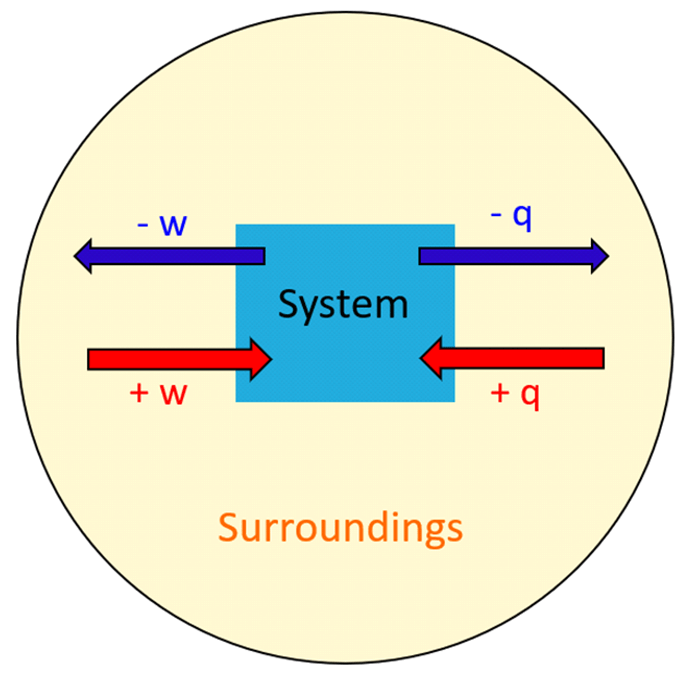
work heat signs energy change of system

The terms endothermic and exothermic are used to describe the heat transfer during different processes including chemical reactions. In general, the focus in this chapter is going to be on heat transfer because thermochemistry is the study of heat change … Read more

Categories Thermochemistry Leave a comment

Enthalpy of Reaction from Enthalpies of Formation

by Dr. S. Gevorg
Enthalpy of reaction from Standard Enthalpy of Formation

Having a library of values for standard enthalpies of formation allows calculating the enthalpy of reaction without doing calorimetric analysis. There are two approaches to doing this. 1) The Direct Approach If the enthalpies of formations for all the components … Read more

Categories Thermochemistry Leave a comment

Bomb calorimeter – Constant Volume Calorimetry

by Dr. S. Gevorg

In the previous post that a calorimeter is a device for measuring the heat flow, and for reactions under constant pressure, the calorimeter measures the enthalpy of the reaction (ΔH). Now, a bomb calorimeter is an equipment that measures ΔE … Read more

Categories Thermochemistry Leave a comment

Constant-Pressure Calorimetry

by Dr. S. Gevorg
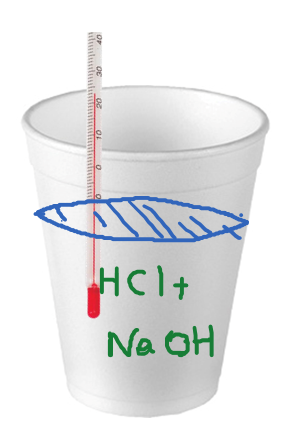
Coffee-cup styrofoam Calorimeter practice example

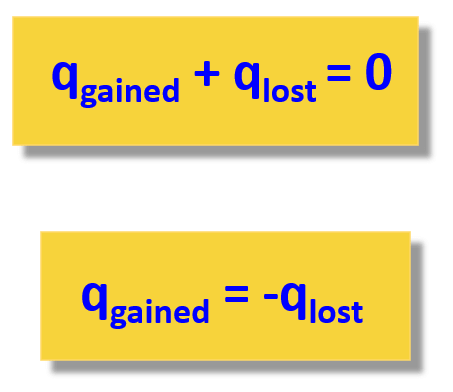
A calorimeter is a device for measuring heat flow. One application of calorimetry is measuring the enthalpy of a reaction. So, how does heat become enthalpy? Remember, the formula for enthalpy change is:   ΔH = ΔE + ΔPV   … Read more

Categories Thermochemistry Leave a comment

Heat Capacity Practice Problems

by Dr. S. Gevorg
Heat flows from the object with higher temperature to the colder one

In the previous post, we talked about heat capacity, specific heat, and the formula for the relationship between these and the change in temperature.     Below are some additional practice examples of heat capacity problems.  When solving a problem … Read more

Categories Thermochemistry Leave a comment
Older posts
Newer posts
← Previous Page1 … Page15 Page16 Page17 … Page21 Next →

General Chemistry Study Guides

Preparing for orgo organic chemistry after General Chemistry

Chemistry Steps LLC

General Chemistry Articles, Study Guides, and Practice Problems.


5900 Balcones Drive, Austin, TX 78731

info@chemistrysteps.com

  • YouTube
  • Facebook
  • Pinterest
  • Instagram

About

Terms

Privacy Policy

Contact

Feedback

Copyright © 2016 - 2026 Chemistry Steps
Next Page »