Skip to content
Chemistry Steps

Chemistry Steps

Chemistry Steps
  • Topics
    • Organic Chemistry
  • Practice Problems
  • Study Guides
  • Quizzes
    • Solutions
  • CS Benefits
  • Log In
    • Register
Chemistry Steps
  • Topics
    • Organic Chemistry
  • Practice Problems
  • Study Guides
  • Quizzes
    • Solutions
  • CS Benefits
  • Log In
    • Register

General Chemistry

Hund’s Rule

by Dr. S. Gevorg
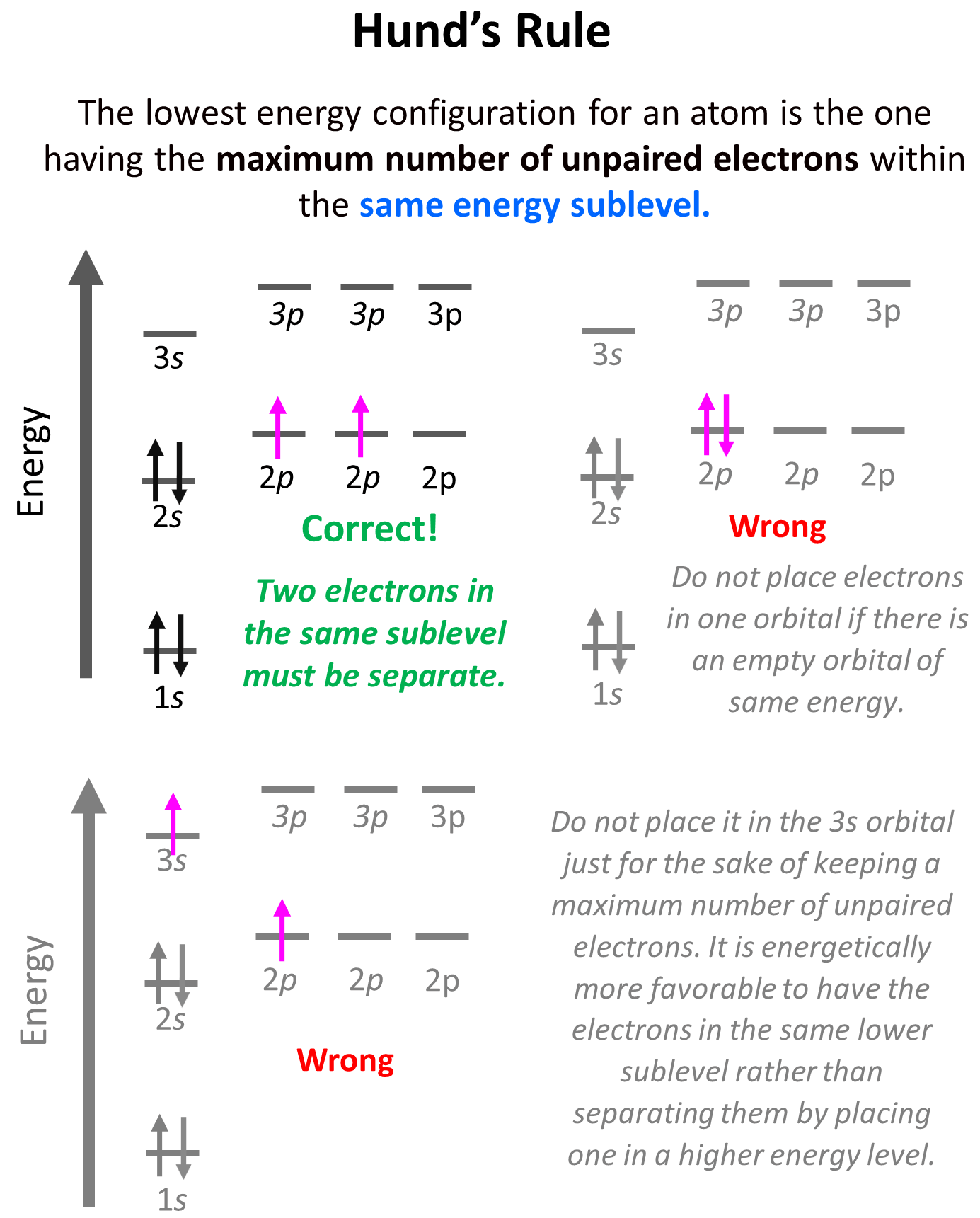
Hund’s Rule

Hund’s rule states that electrons will fill all the degenerate orbitals (equal in energy) with parallel spins (both arrows up or down) first before pairing up in one orbital. We can also formulate it as the lowest energy configuration for an atom is the … Read more
Categories Electronic Structure of Atoms Leave a comment

Pauli Exclusion Principle

by Dr. S. Gevorg
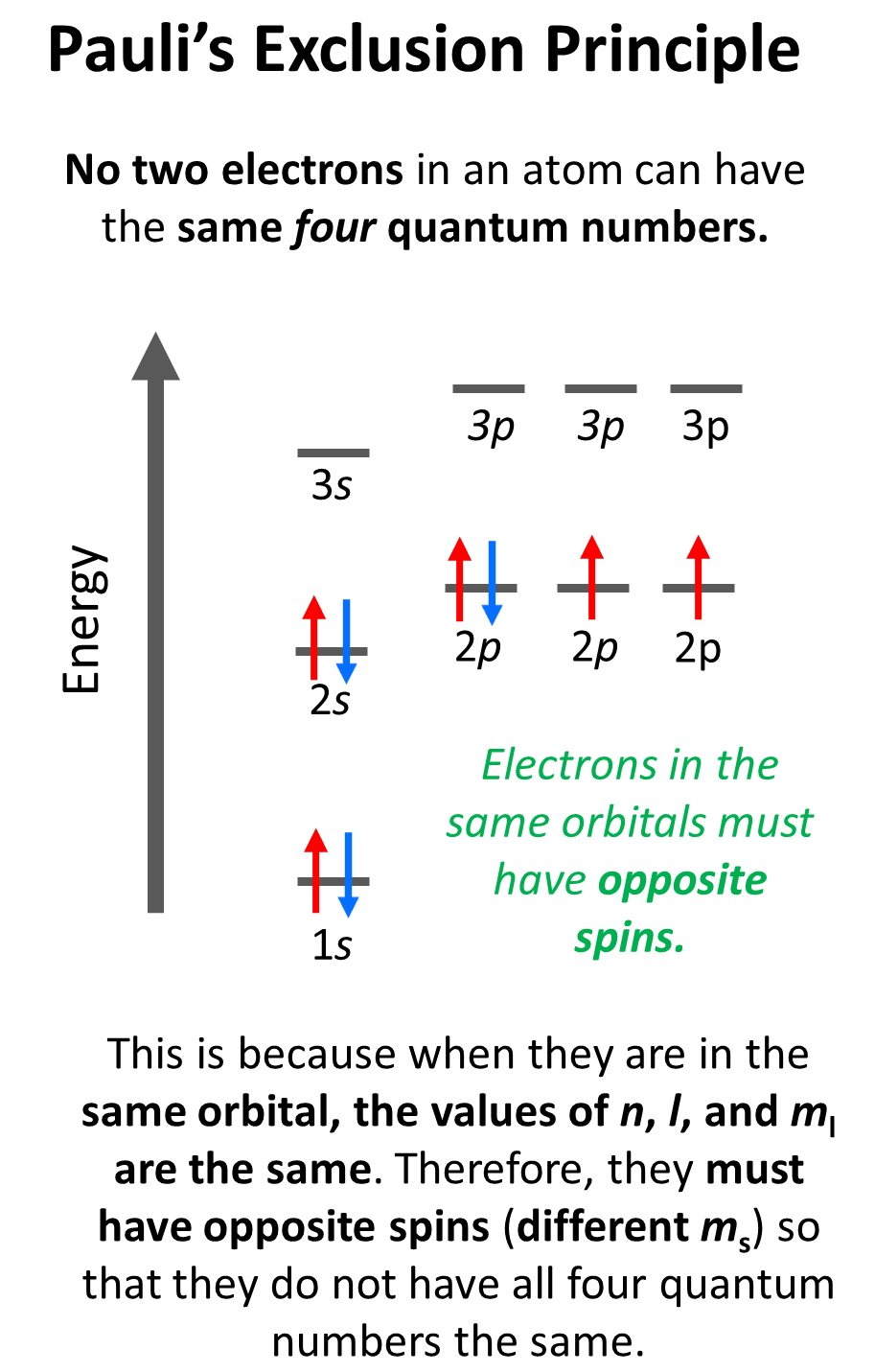
Pauli Exclusion Principle

The Pauli’s exclusion principle states that no two electrons in an atom can have the same four quantum numbers. Now, what does this practically mean? Essentially, the implication of Pauli’s exclusion principle is that when two electrons are in the same orbital, they must have … Read more

Categories Electronic Structure of Atoms Leave a comment

Rydberg Formula

by Dr. S. Gevorg
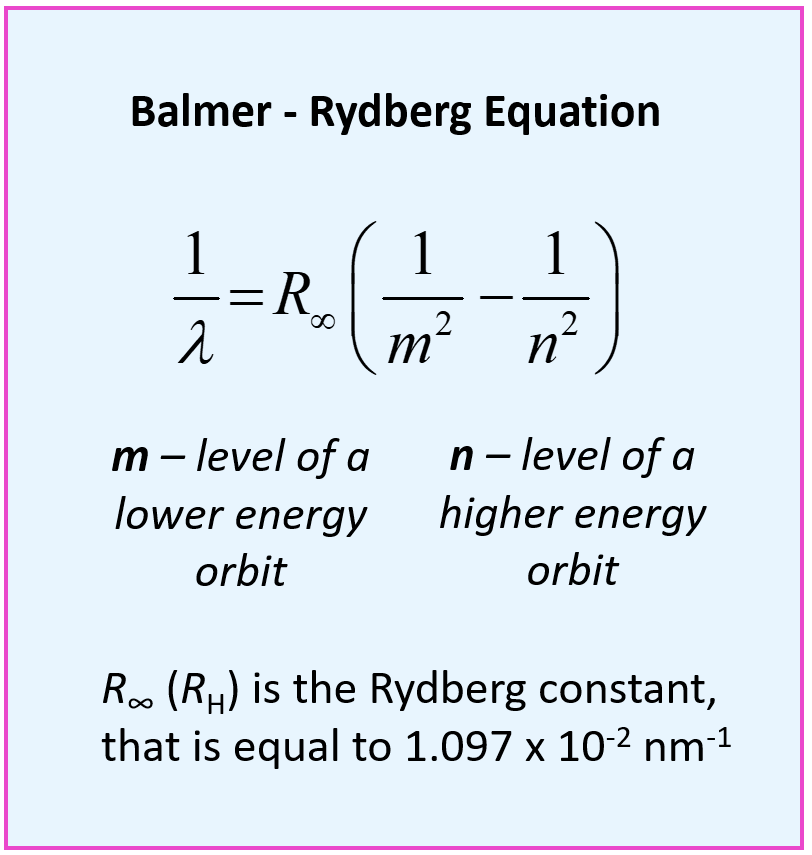
Balmer - Rydberg Equation

Rydberg formula is used for calculating the wavelength or the energy of the light emitted during electron transitions. So, first, what are the electron transitions, and how are they associated with light? The first thing you need to know here … Read more

Categories Electronic Structure of Atoms Leave a comment

Quantum Numbers

by Dr. S. Gevorg
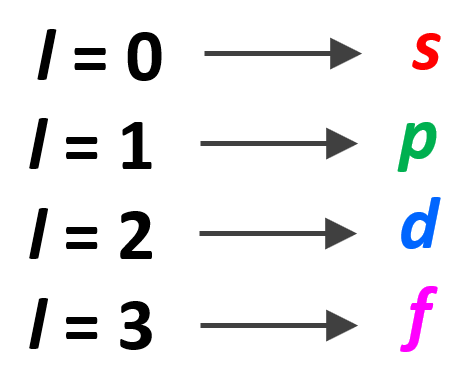
l value and orbital type

Quantum numbers tell us the energy level, the number and the type of orbitals, and the spin of the electron. Collectively, they all describe the electron configurations. There are four quantum numbers that we are going to discuss: The Principal … Read more

Categories Electronic Structure of Atoms Leave a comment

s, p, d, f Atomic Orbitals

by Dr. S. Gevorg
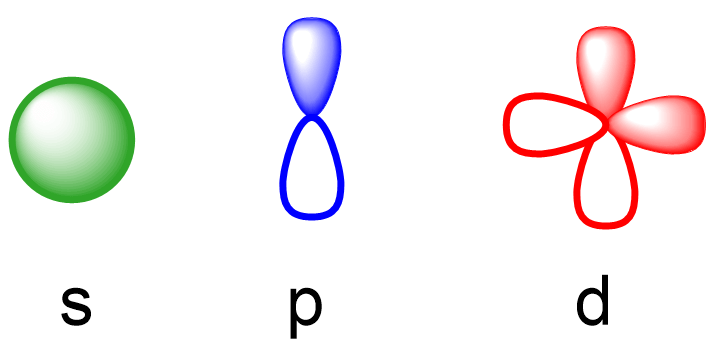
s p d orbitals

In today’s post, we will talk about the atomic orbitals. So, first, what is an orbital? In a formal, quantum mechanical definition, orbitals are essentially probability distribution maps for electrons within atoms. In a simpler version, think of orbitals as … Read more

Categories Electronic Structure of Atoms Leave a comment

Aufbau’s Principle, Hund’s Rule, and Pauli’s Exclusion Principle

by Dr. S. Gevorg
Hund’s Rule

Aufbau’s Principle, Hund’s Rule, and Pauli’s Exclusion Principle are rules for writing electron configurations, so go over the main principles of electron configurations if you need to before we start discussing them. Aufbau’s Principle Aufbau (German aufbauen, “to build up”) … Read more

Categories Electronic Structure of Atoms 1 Comment

Orbital Diagrams

by Dr. S. Gevorg
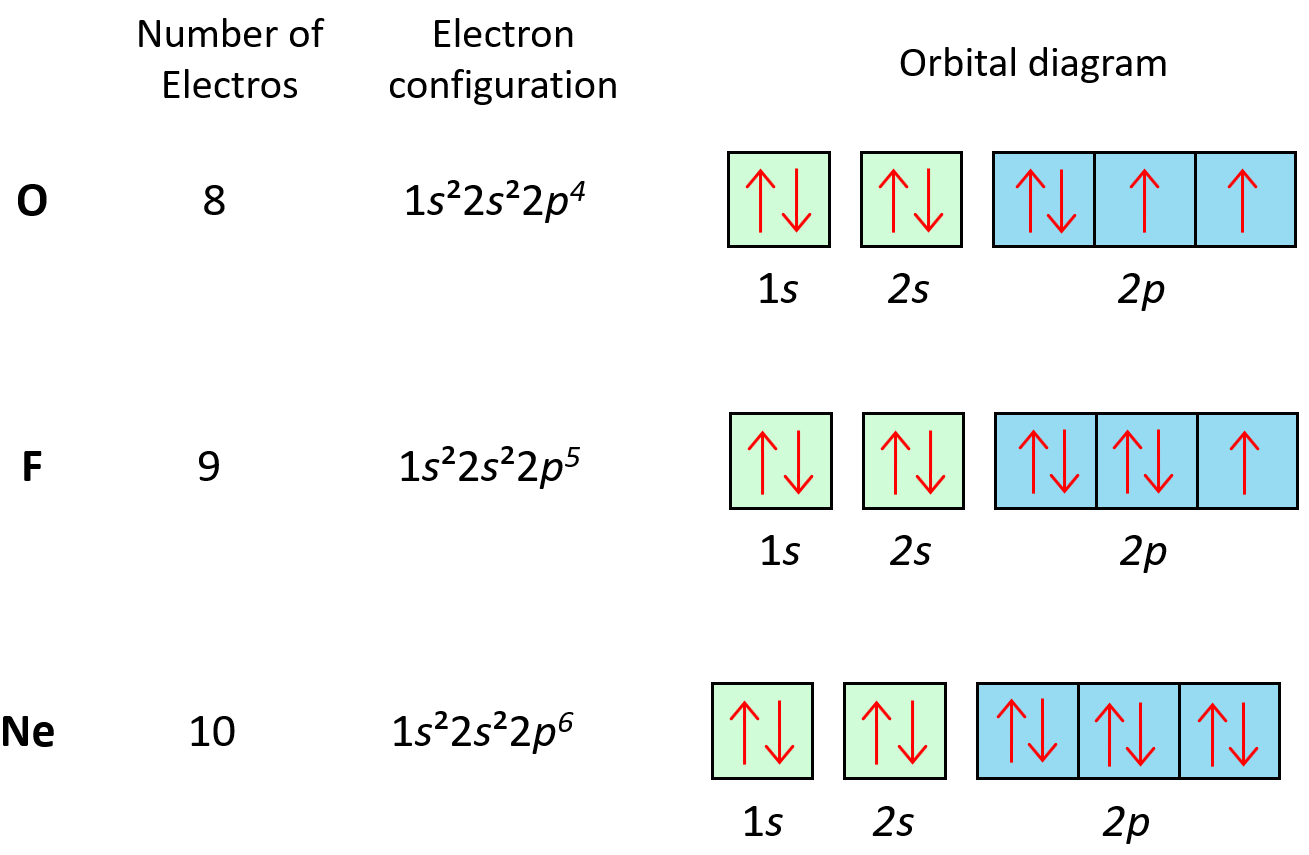
oxygen fluorine neon configuration orbital diagram

In orbitals diagrams, the orbitals are shown as boxes, and the electrons in them as arrows pointing up or down. Each box represents one orbital, and each arrow indicates one electron. This is a way of showing the electron configuration … Read more

Categories Electronic Structure of Atoms Leave a comment

Electron Configurations of Ions

by Dr. S. Gevorg
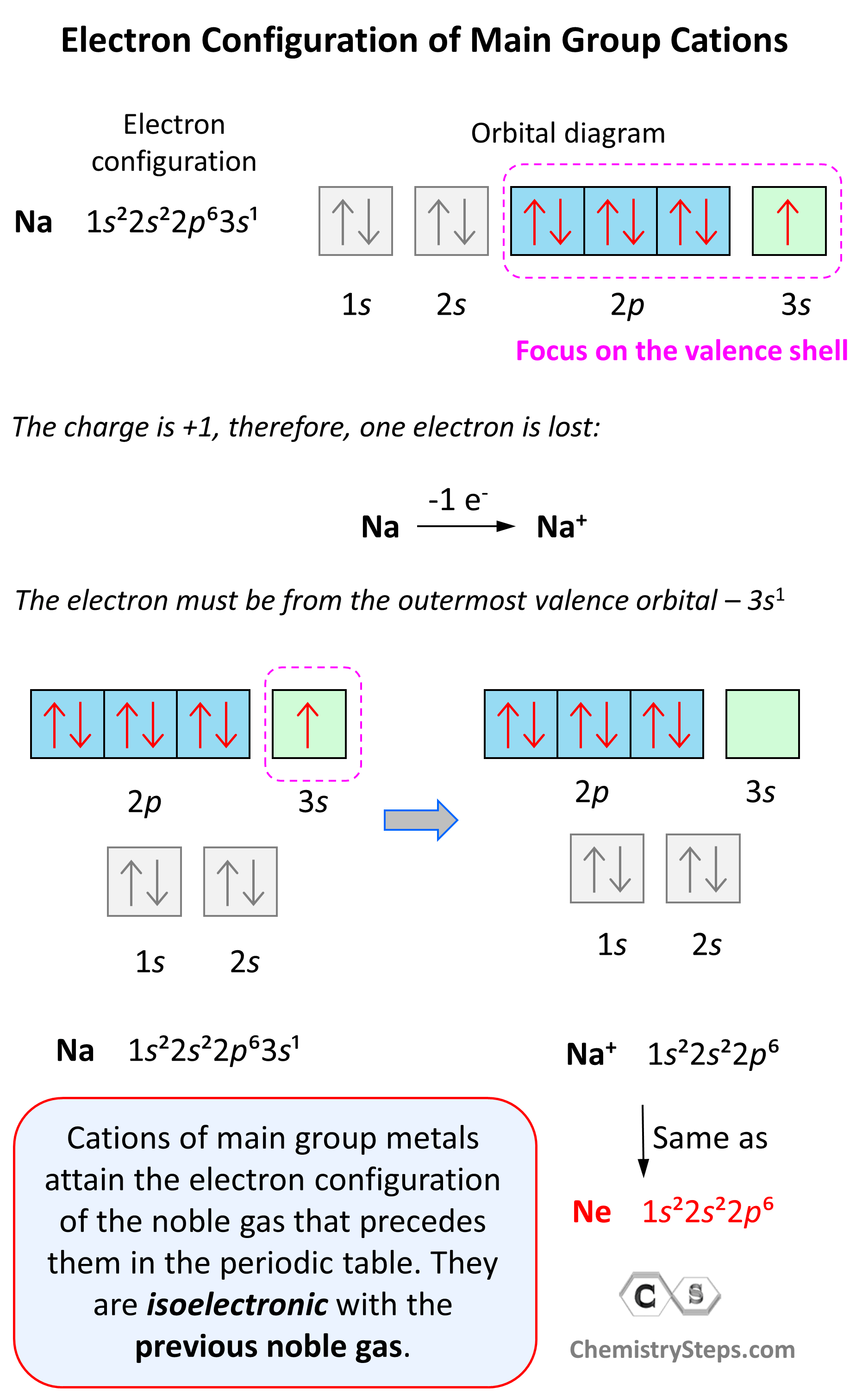
Electron Configuration of Main Group Cations

In the previous post, we talked about electron configurations, what they show, how to read, and how to write them based on energy levels and sublevels. As a reminder, electron configurations show the number and location of electrons in an … Read more

Categories Electronic Structure of Atoms Leave a comment

Bohr Model of the Hydrogen Atom

by Dr. S. Gevorg
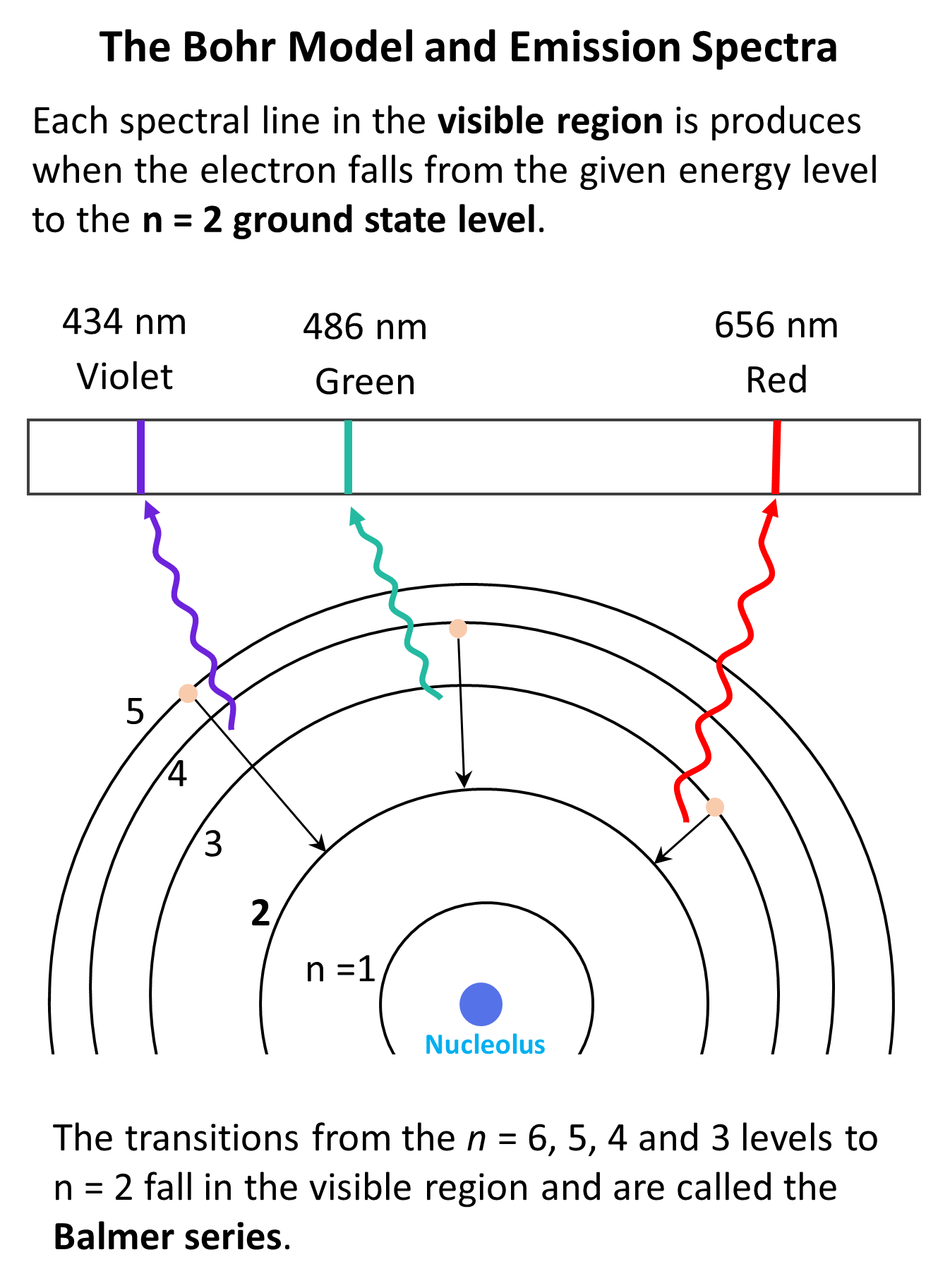
Bohr Model and Emission Spectra

In the previous post, we discussed the nature of light and how the sunlight or the light from an ordinary light bulb (white light) contains a mixture of almost all the colors in the rainbow. This can be confirmed by … Read more

Categories Electronic Structure of Atoms Leave a comment

Sigma and Pi Bonds

by Dr. S. Gevorg

We mentioned in the previous post that covalent bonds are formed as a result of sharing two valence electrons in overlapping orbitals of two atoms. For example, the following Lewis structures represent covalent bonds together with some lone pairs of … Read more

Categories Concepts of Chemical Bonding 2 Comments
Older posts
Newer posts
← Previous Page1 … Page4 Page5 Page6 … Page21 Next →

General Chemistry Study Guides

Preparing for orgo organic chemistry after General Chemistry

Chemistry Steps LLC

General Chemistry Articles, Study Guides, and Practice Problems.


5900 Balcones Drive, Austin, TX 78731

info@chemistrysteps.com

  • YouTube
  • Facebook
  • Pinterest
  • Instagram

About

Terms

Privacy Policy

Contact

Feedback

Copyright © 2016 - 2026 Chemistry Steps
Next Page »