
CN- Geometry and Hybridization
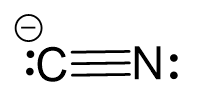
Connect the atoms together and count the number of electrons by adding 1 since there is a negative charge: #e– = 4 + 5 + 1 = 10 Two electrons are used to make the covalent bond, therefore, the … Read more
Connect the atoms together and count the number of electrons by adding 1 since there is a negative charge: #e– = 4 + 5 + 1 = 10 Two electrons are used to make the covalent bond, therefore, the … Read more
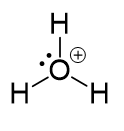
The central atom is the oxygen, so we can draw a preliminary skeletal structure: The total number of electrons is 6 + 3 – 1 = 8, out of which, 6 are used to make three covalent bonds, … Read more
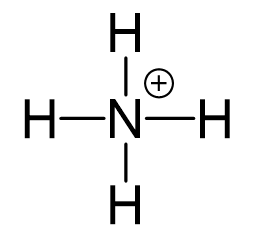
Nitrogen is the central atom, so we can draw a preliminary skeletal structure: There is a positive charge, so to determine the number of electrons, we subtract 1 from the total number of valence electrons: 5 + … Read more

Because the hydrogens are always in terminal positions, the carbons must be connected, and therefore, we can draw a preliminary skeletal structure to start with: There are 2×4 + 2×1 = 10 valence, and 6 have been used … Read more
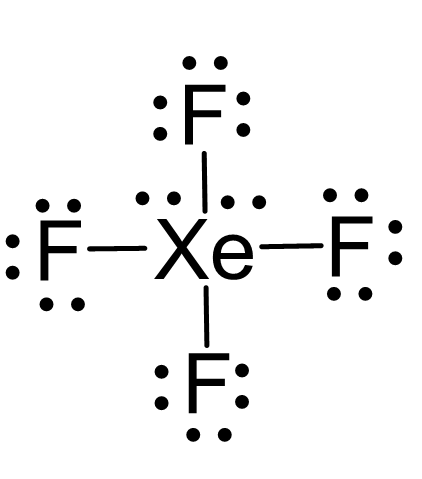
Xe is the central atom: There are 4×7 + 8 = 36 electrons and 8 are taken to make 4 covalent bonds. Each fluorine takes 3 lone pairs, so there are 36 – (8+4×6) = 4 electrons left … Read more
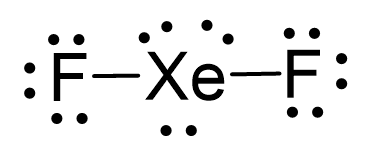
Xe is the central atom, so we can draw a preliminary skeletal structure: There are 2×7 + 8 = 22 electrons and 4 are taken to make 2 covalent bonds. Each fluorine takes 3 lone pairs, so there … Read more
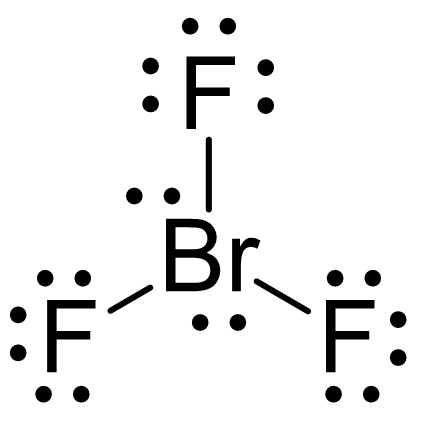
Br is the central atom: There are 7 + 3×7 = 28 electrons and 6 are taken to make three covalent bonds. Each fluorine takes 6 electrons, therefore there are 28 – (6 + 3×6) = 4 electrons … Read more
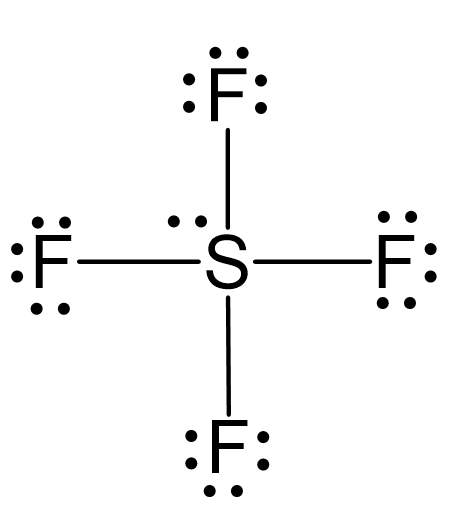
Sulfur is the central atom: There are 6 + 4×7 = 34 valence electrons, and 8 are taken for making 4 covalent bonds. Each fluorine takes three lone pairs, so there are 34 – (8 + 4×6) = 2 … Read more
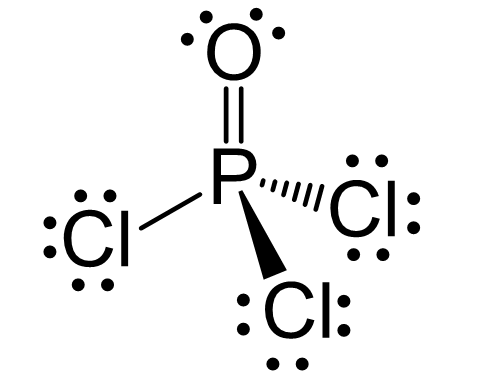
P is the central atom, so we can draw a preliminary skeletal structure: There are 5 + 3×7 + 6 = 32 valence electrons out of which, 8 are already taken to make four covalent bonds. From the … Read more
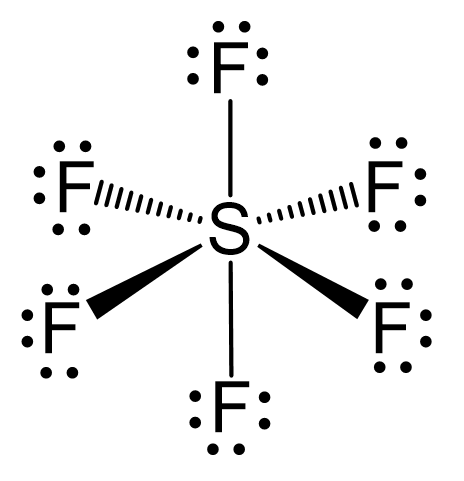
Sulfur is the central atom: There are 6 + 6×7 = 48 valence electrons, and 12 are taken for making 6 covalent bonds. Each fluorine takes three lone pairs, so there are no electrons left: 48 – (12 + … Read more